

Eugene Kushmarak
Please meet Eugene, one of our basement flood experts. He started his career from the bottom, digging trenches, working his way up to contractor, supervisor. Learn More About Eugene Kushmarak
- Published: December 2, 2024
When it comes to emergency preparedness, one aspect that is often overlooked is the importance of having proper exits, particularly in basements or other below-ground living spaces. Egress windows, designed to provide a safe escape route, play a crucial role in ensuring safety during emergencies such as fires or natural disasters. In this blog post, we’ll explore the essential role of egress windows in emergency preparedness, how they function, and why every home should consider installing or maintaining them.
Key Takeaways:
- Egress windows provide a critical emergency exit, especially for basements.
- They enhance safety by allowing easy escape during fires or other emergencies.
- Egress windows must meet local building codes for size and accessibility.
- Regular maintenance ensures the egress window remains functional in an emergency.
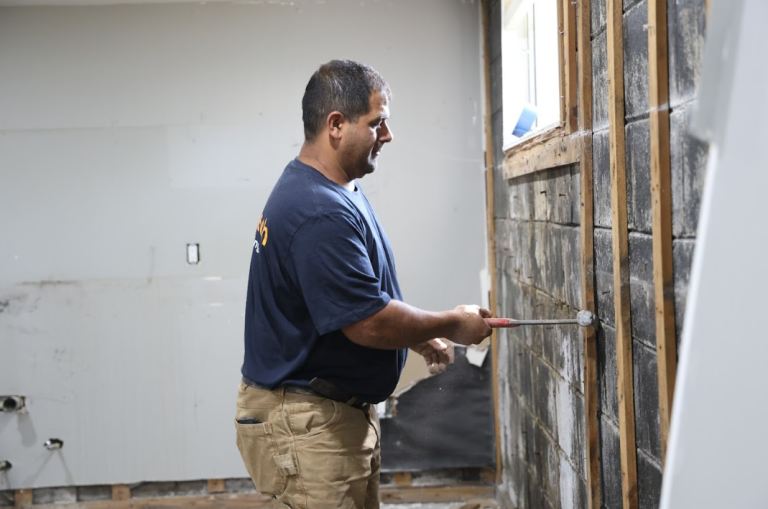
What Are Egress Windows?
Egress windows are special windows installed in basements, bedrooms, or other spaces that are located below ground level. Their primary purpose is to serve as a secondary exit in case of an emergency, providing a safe escape route when traditional doors or stairs may not be accessible.
Key features of egress windows include:
- Minimum Size Requirements: To comply with building codes, egress windows must meet specific dimensions (typically a minimum of 5.7 square feet of opening).
- Accessibility: They must be easy to open and free from obstructions, allowing individuals to escape quickly in an emergency.
- Clearance: The window should be low enough to allow easy access but also secure enough to prevent accidental falls or intrusions.
The Importance of Egress Windows in Emergency Situations
In an emergency, especially during a fire or when the main exit is blocked, an egress window can make all the difference. Here are the key reasons why egress windows are essential for emergency preparedness:
1. Safe Escape Route in Case of Fire
- Fires can spread quickly, and in many cases, the main exits may be blocked by smoke or flames. Egress windows allow individuals to escape safely from lower levels of a building, offering a secondary exit option.
- In homes with basements, an egress window ensures that occupants can leave the area even if stairwells are inaccessible.
2. Access for Emergency Responders
- Egress windows provide a way for firefighters or other emergency personnel to access the home during a rescue. They can be used to enter a building quickly and assist individuals trapped inside.
- For basements with egress windows, this is especially critical because emergency responders may need to enter from ground level or lower to save lives.
3. Building Code Compliance
- Many building codes require egress windows in new home construction, particularly in basements and bedrooms. Ensuring that your egress window is up to code guarantees that your home is safe and legally compliant.
- If you are considering a basement renovation or converting a basement into a livable space, an egress window may be a necessary addition to meet safety regulations.
How Egress Windows Contribute to Emergency Preparedness
Egress windows are more than just a way out during a crisis—they are part of a broader emergency preparedness strategy. Here’s how they fit into the bigger picture:
1. Evacuation Planning
- In addition to ensuring egress windows are installed, homeowners should incorporate them into their evacuation plans. Designate escape routes and practice how to use egress windows during emergency drills. Familiarity with the window’s operation is critical in ensuring it can be used efficiently when needed.
- Have a clear, simple plan for how everyone in the household will use the egress window to evacuate if necessary.
2. Regular Maintenance and Inspection
- Just like any other emergency feature, egress windows need to be maintained. Regularly inspect the window’s mechanism to ensure it opens freely and that it is not obstructed by furniture, landscaping, or debris.
- Ensure that the window’s security bars or locks, if present, can be quickly disengaged from the inside.
3. Accessibility for All Ages and Abilities
- It’s important to consider the accessibility of the egress window for all members of your household, including children, the elderly, or individuals with mobility challenges.
- In some cases, adding a window well ladder or creating additional space around the window can improve access and safety.
Installing Egress Windows in Your Home
If you’re considering installing egress windows, here are the key factors to keep in mind:
- Location: The window should be in an area that makes sense for easy access and exit. For basements, this means positioning the window so it’s near the ground level but still large enough to provide a viable escape route.
- Size and Dimensions: To meet building code requirements, the window must provide a minimum opening size (usually 20 inches by 24 inches, depending on local regulations) and a total area of at least 5.7 square feet.
- Window Type: Casement, sliding, or double-hung windows are common choices for egress windows, depending on your home’s design and layout. Casement windows, which open outward, are particularly popular because they provide a wide opening.
- Professional Installation: Egress window installation often requires excavation and significant work, so it’s best handled by professionals who are familiar with local building codes and the technical requirements.

Conclusion
Egress windows are an essential part of any home’s emergency preparedness plan. They provide a vital escape route during fires or other emergencies, ensuring that all members of the household can evacuate quickly and safely. Regular maintenance and proper installation are key to ensuring these windows function as intended when needed most. If your home lacks egress windows or you’re unsure whether your existing windows meet current safety standards, consider upgrading to ensure the safety of your family.
Frequently Asked Questions
Yes, if you have a basement that is used as a living space, egress windows are typically required by building codes to provide a safe escape route in case of emergency.
While you may be able to install egress windows yourself, it’s highly recommended to hire a professional. Proper installation requires excavation and knowledge of local building codes, which a professional can handle effectively.
No, egress windows can be installed in any living space, including bedrooms or lower levels of a home, to ensure that every room has a safe means of escape in an emergency.
Egress windows should be inspected at least once a year. Check for obstructions, ensure the window opens freely, and verify that any locks or security bars can be easily disengaged from the inside.
Yes, egress windows provide an important entry point for emergency responders, especially in basements or rooms with limited access. They allow firefighters and other personnel to assist in rescues.


