


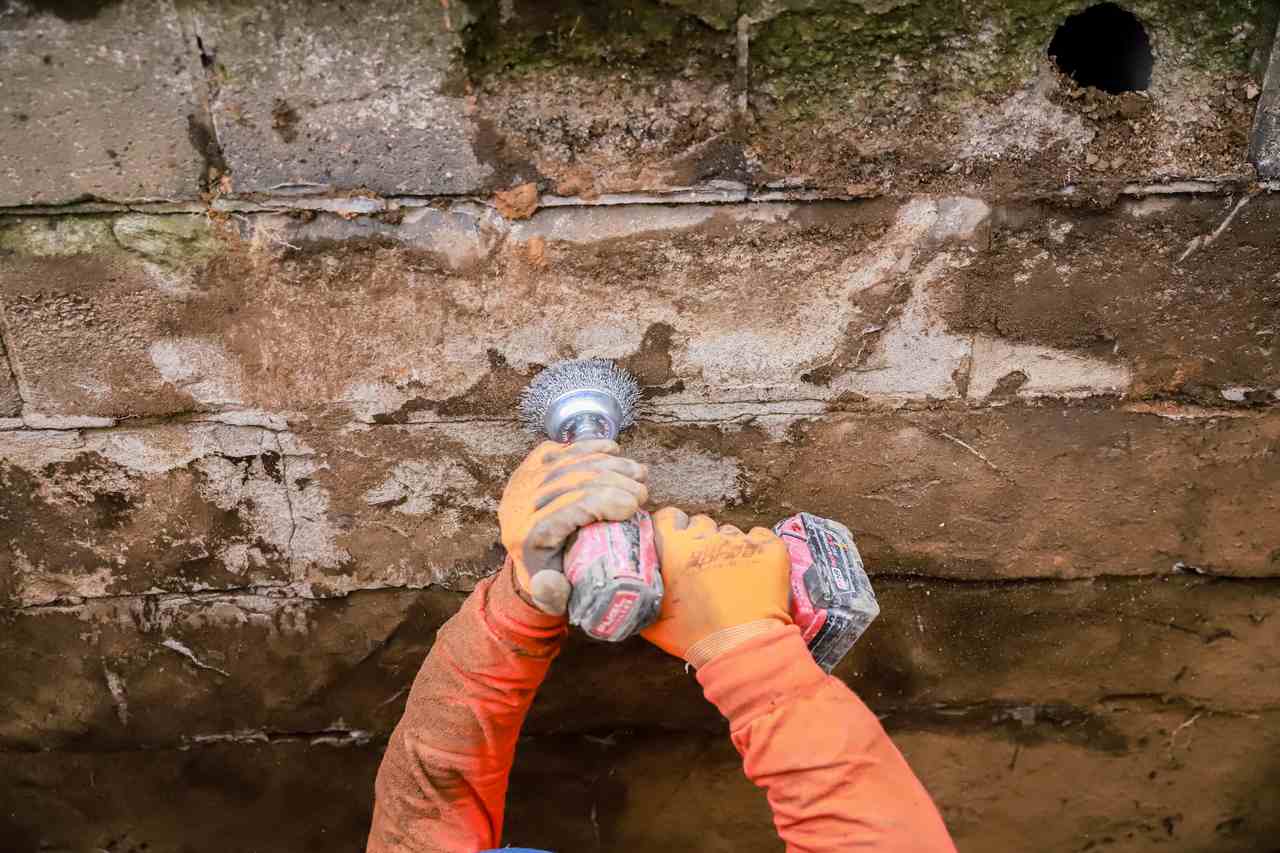

Efflorescence is a clear sign of potential basement dampness and leaks. This white, chalky substance often appears on walls, resembling whiskers or ice flakes. It forms from salts dissolved in water that are carried to the surface and left behind when the water evaporates. These salts typically come from materials used in construction, like the calcium in concrete. Identifying efflorescence can help you pinpoint water entry points and address any damage caused by water infiltration.
What is Efflorescence?
Efflorescence is a crystalline deposit of salts that can form on the surface of masonry, stucco, or concrete. It occurs when water leaves behind salt deposits as it comes to the surface and evaporates. These white, powdery deposits aren’t just an eyesore; they could also be a sign of potential water damage. While efflorescence itself doesn’t directly damage building materials, the underlying moisture issues can lead to more serious problems over time.
Sources of Efflorescence
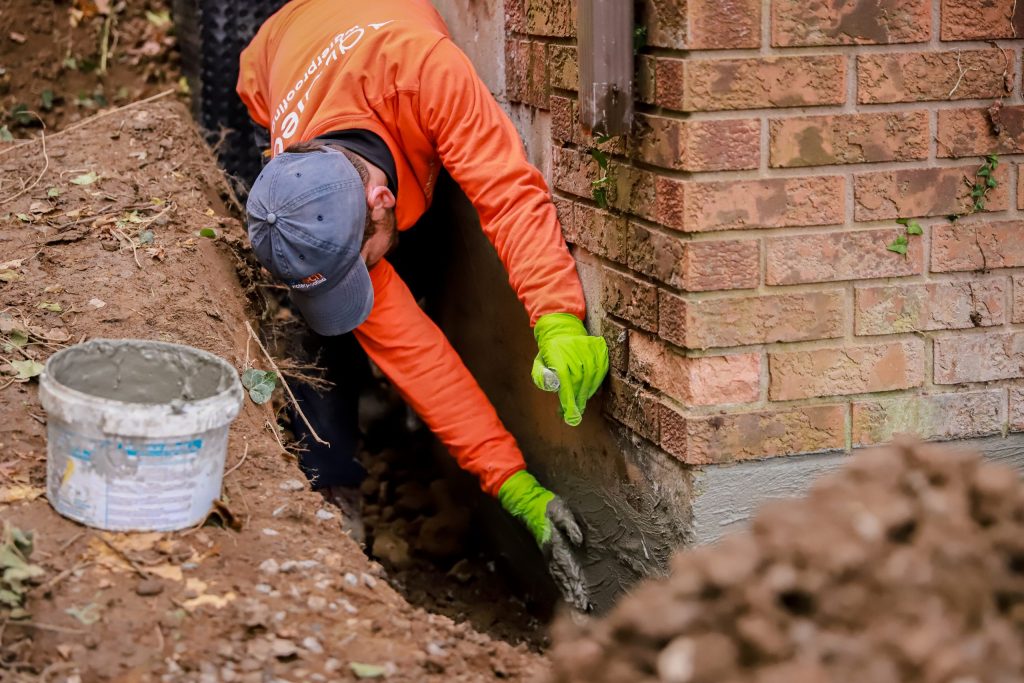
Detecting efflorescence is crucial in identifying potential basement leaks and dampness. Efflorescence, a white, chalky substance on walls, forms when water travels through materials like cement or brick, dissolving salts within the material. When the water evaporates, it leaves these salts behind. Identifying efflorescence can help pinpoint water entry points and address any damage caused by water infiltration. Here are the primary sources and causes of efflorescence:
Construction Materials
- Masonry materials naturally contain salts. When these salts dissolve in water, they can migrate to the surface.
- New constructions are particularly susceptible as they contain significant moisture from the building process.
Groundwater and Rain
- Water from the ground or rain can seep into masonry structures, especially if the water table is high or if there’s inadequate drainage.
- Poorly graded landscapes that do not direct water away from the structure can lead to increased moisture penetration.
Improper Sealing
- Lack of sufficient waterproofing measures in basements or ground-level walls can allow water to penetrate and wick upwards.
- Cracks or other structural weaknesses can allow external water to seep into the building envelope.
Moisture Sources
- Water, Rain, and Snow: Primary sources of moisture that impact the degree of efflorescence.
- Condensation and Groundwater Wicking: Can also affect the degree of moisture generation.
- Interior Activities: May contribute to the moisture levels.
Health and Structural Concerns While efflorescence is not harmful in itself, its presence indicates moisture intrusion which could lead to:
- Mold and mildew growth.
- Structural damage if left unchecked over time.
How Much Does It Cost to Address Efflorescence?
Removing efflorescence typically costs between $100 and $150. The final cost depends on the size of the area needing treatment. However, as emphasized earlier, addressing the root cause of efflorescence, moisture intrusion, is crucial. For a comprehensive approach that includes basement waterproofing, you can review costs and options at Aquatech Waterproofing.
How to Remove Efflorescence
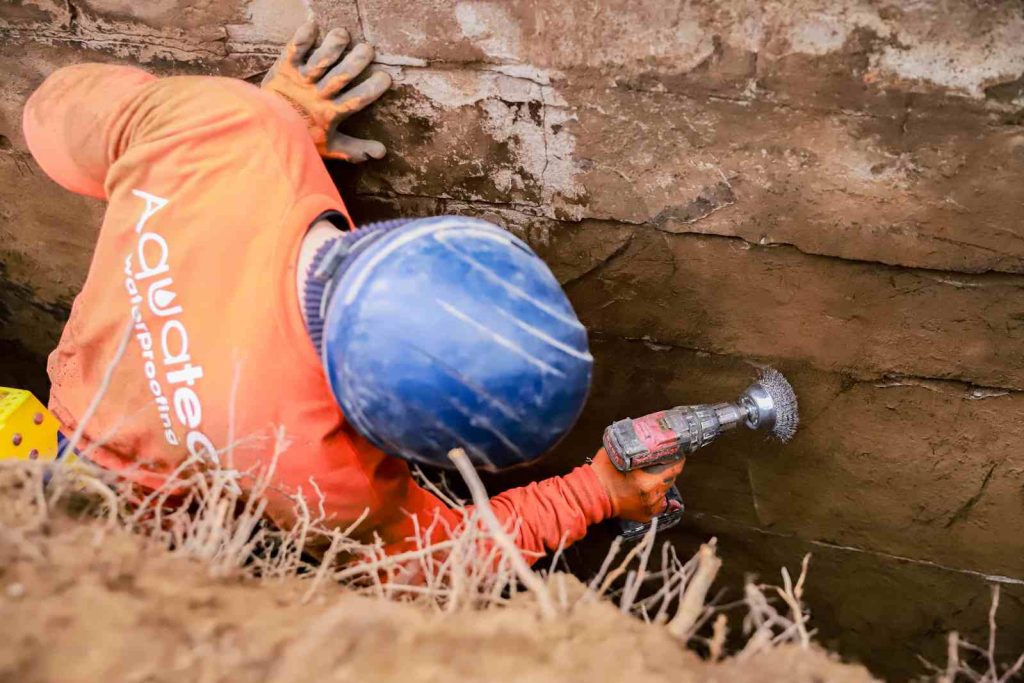
Once you’ve identified efflorescence, you’ll want to address it promptly to maintain the integrity and appearance of your masonry. Here are some effective removal techniques:
1. Dry Brushing or Sweeping:
- Use a stiff brush to remove efflorescence from the surface. This is the simplest method but may not be fully effective if the salts are deeply embedded.
2. Washing
- Washing the affected area with water can help. Repeat the process as necessary, ensuring that the area is well-ventilated to dry thoroughly afterward.
- For more stubborn deposits, use a mixture of water and vinegar in a 5:1 ratio. Gently scrub the area and rinse with clean water.
3. Chemical Cleaners
- Use commercial efflorescence removers available from masonry supply stores. These cleaners are designed to neutralize and remove salts.
- Always follow the manufacturer’s instructions and take appropriate safety measures, including wearing gloves and eye protection.
4. Mild Acid Solution
- A diluted muriatic acid solution can be effective. Combine one part muriatic acid with twelve parts water, apply it to the surface, and rinse thoroughly.
- Note: Handle muriatic acid with caution, ensuring proper ventilation and wearing protective gear.
How to Prevent Efflorescence
Addressing and preventing the source of moisture is critical:
- Waterproofing: Ensure that the building is properly waterproofed, especially in basements and other vulnerable areas.
- Drainage Systems: Install adequate drainage systems to direct water away from the structure, such as gutters, downspouts, and French drains.
- Sealants: Apply quality sealants to masonry surfaces to prevent water penetration.
- Proper Grading: Ensure that the surrounding landscape is graded to direct water away from the building.
Efflorescence serves as a warning sign of moisture problems that need addressing promptly. By understanding its sources and employing the appropriate removal techniques, you can maintain the aesthetic and structural integrity of your building.
How Do I Permanently Get Rid of Efflorescence?
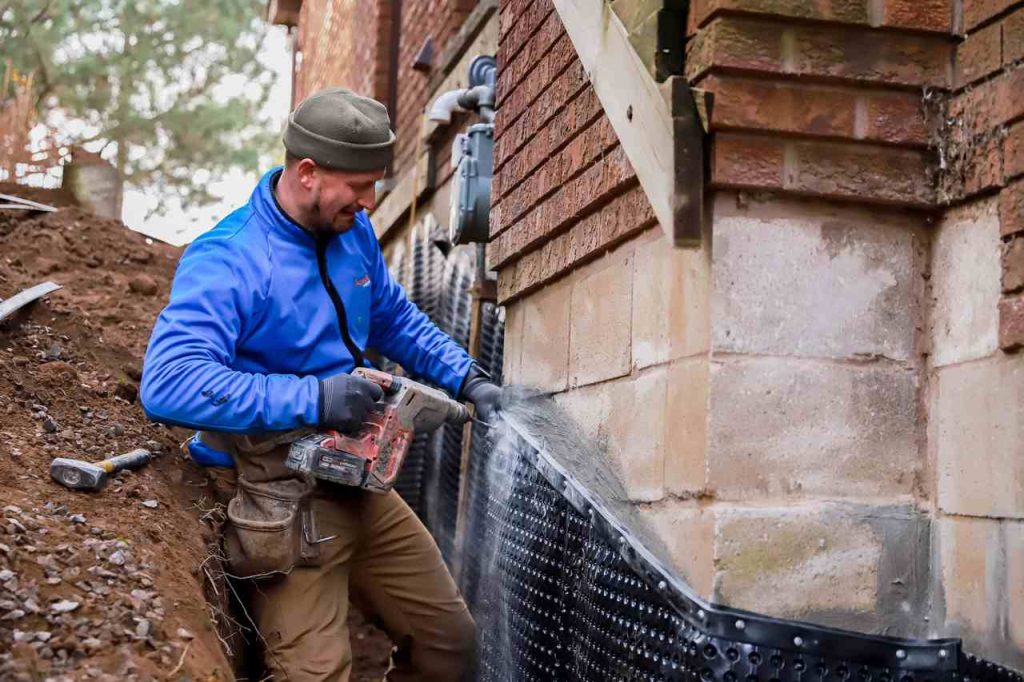
To effectively and permanently remove efflorescence, it’s essential to address the underlying moisture source. Once the water intrusion is resolved, you can remove efflorescence with the following methods:
- Dry Brushing: Use a stiff brush to scrub off the efflorescence.
- Light Water Blasting: Apply gentle water pressure to wash away the deposits.
- Light Sandblasting: Utilize light sandblasting for more persistent deposits.
- Clean Water Rinse: After abrasive techniques, rinse the area with clean water to remove any remaining salts.
- Rotary Scrubbers: For larger areas, rotary scrubbers equipped with scrubbing pads can be effective.
These methods will remove the surface deposits, but the key to preventing efflorescence from returning is eliminating the moisture problem that causes it. Proper waterproofing and drainage solutions are essential to keep your basement dry and efflorescence-free.
Why Choose Aquatech Waterproofing for Efflorescence Removal?
When it comes to dealing with efflorescence, it’s crucial to tackle both the surface and underlying issues. While efflorescence can be removed using tools like stiff brushes or sandblasters, these methods only address the visible problem. The real solution lies in eliminating the source of dampness that causes efflorescence.
With over 25 years of expertise, Aquatech Waterproofing is a leading authority in basement waterproofing throughout Toronto and the GTA.
Our comprehensive approach ensures that water doesn’t just get removed but is prevented from infiltrating your basement or foundation walls in the future. This proactive strategy not only eliminates efflorescence but also protects your home from further water damage.
Choose Aquatech Waterproofing for reliable, long-lasting solutions that keep your basement dry and healthy.
Conclusion
Efflorescence is a common but manageable issue. By recognizing the signs early and taking the necessary steps to remove and prevent its recurrence, you can safeguard your property from moisture-related damage. If dealing with persistent efflorescence or extensive moisture problems, consulting a professional might be the best course of action.
FAQs About Efflorescence Removal
What causes efflorescence?
Efflorescence is primarily caused by moisture that moves through building materials like concrete or brick. It can occur due to poor drainage, high water tables, inadequate waterproofing, or construction practices that leave materials exposed to moisture.
What are the signs of moisture problems in a basement?
Signs of moisture problems in a basement include visible efflorescence, musty odors, mold growth, damp or wet spots, and peeling paint or wallpaper. Addressing these signs promptly can prevent further damage.
How can I prevent efflorescence from returning?
Preventing efflorescence involves addressing the source of moisture. Ensure proper waterproofing of your basement, improve drainage around your home, and repair any cracks or leaks in walls and foundations. Regular maintenance and inspections can help prevent moisture issues.
When should I contact a professional for efflorescence issues?
If you notice persistent efflorescence or signs of moisture problems, it’s best to contact a professional. A specialist can assess the situation, identify the root cause of the moisture, and provide effective solutions to address both the surface and underlying issues.
What should I do before professional treatment?
Before professional treatment, try to identify and address any visible signs of moisture or leaks. Avoid using harsh chemicals or abrasive methods that may damage your surfaces. A professional assessment will provide a more accurate diagnosis and solution for your efflorescence problems.
