
- Updated: October 20, 2025

Eugene Kushmarak
Please meet Eugene, one of our basement flood experts. He started his career from the bottom, digging trenches, working his way up to contractor and supervisor. Learn More About Eugene Kushmarak

Finishing your basement can add valuable living space and boost your property’s value — but only if it’s properly waterproofed. Many homeowners rush into renovations without addressing hidden moisture or drainage issues first, leading to mold growth, wall damage, or ruined flooring just months later.
To protect your investment and ensure a dry, healthy basement, waterproofing should always be step one. In this guide, we’ll walk you through seven proven basement waterproofing tips every Toronto homeowner should follow before finishing or remodeling their basement.
Inspect for Cracks and Leaks Before Any Construction
Before you frame walls or install flooring, thoroughly inspect your basement for foundation cracks, wall seepage, or floor leaks. Even small cracks can allow water to infiltrate over time, causing hidden damage behind finished surfaces.
- Look for discoloration or damp spots on walls and floors.
- Seal minor cracks with hydraulic cement or injection epoxy.
- For larger cracks, hire professionals like Aquatech Waterproofing to assess and repair the foundation properly.
Check and Maintain Your Drainage System
Proper drainage ensures that water is directed away from your home’s foundation. Without it, you risk flooding and long-term structural problems.
- Keep gutters and downspouts clear of debris.
- Extend downspouts at least 6 feet away from your foundation.
- Ensure your landscaping slopes away from the home.
- If you don’t have one already, install a French drain or weeping tile system to help control groundwater.
Install or Upgrade Your Sump Pump System
A reliable sump pump is essential for any finished basement. It actively removes groundwater before it can rise into your home.
- Test your sump pump regularly, especially during rainy months.
- Consider a battery backup system to protect against power outages.
- Schedule annual maintenance to keep the system performing efficiently.
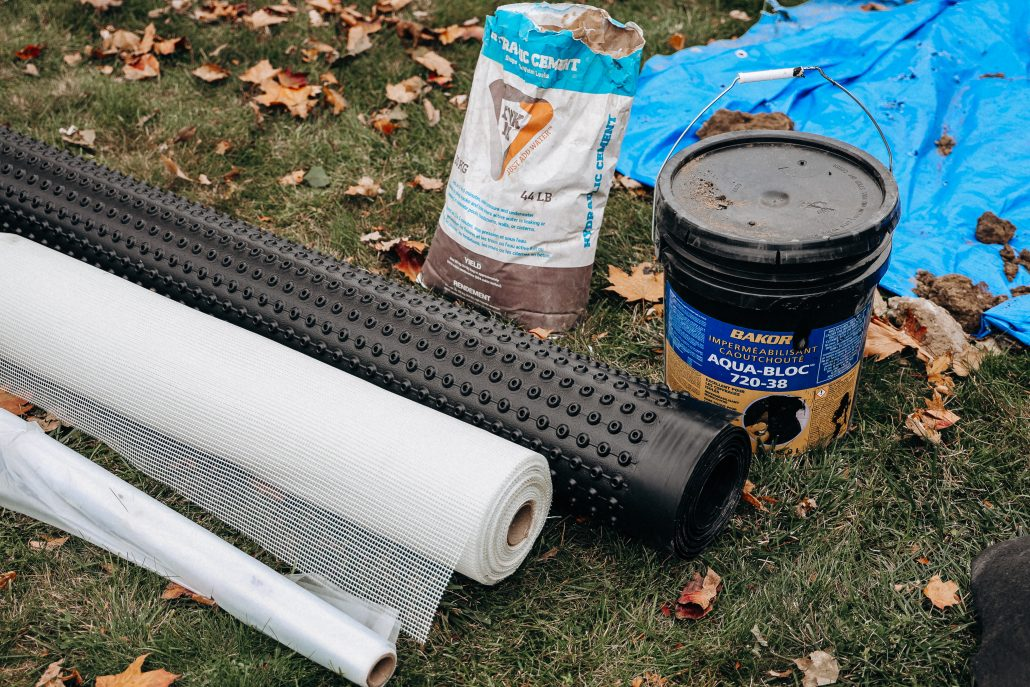
Apply a Quality Waterproofing Membrane
Before covering your basement walls, apply a liquid or sheet waterproofing membrane to the foundation. This acts as a durable moisture barrier and prevents water seepage.
- Use polyurethane-based membranes for superior flexibility and protection.
- Combine with drainage boards to relieve hydrostatic pressure.
- Always waterproof both interior and exterior walls for maximum durability.
Choose Moisture-Resistant Materials for Finishing
The materials you use for walls, flooring, and insulation matter as much as the waterproofing itself.
- Opt for vinyl plank flooring, tile, or sealed concrete instead of carpet.
- Use mold-resistant drywall (green board) or cement board.
- Insulate with closed-cell spray foam to prevent condensation and improve energy efficiency.
Install a Proper Dehumidifier System
Even if your basement is fully waterproofed, humidity control is key to maintaining a healthy indoor environment.
- Invest in a dedicated basement dehumidifier.
- Keep humidity levels between 40–50%.
- Regularly check for condensation on windows or pipes, as it could indicate excess moisture.
Get a Professional Basement Waterproofing Inspection
DIY waterproofing can only go so far. A professional inspection from Aquatech Waterproofing ensures no issue is overlooked before your renovation begins.
Our specialists perform:
- Foundation integrity checks
- Drainage and grading evaluations
- Moisture mapping
- Custom waterproofing solutions tailored to your home’s needs
This pre-renovation step helps you avoid costly rework and gives you confidence in your finished basement’s longevity.
Frequently Asked Questions (FAQ)
Waterproofing prevents future water damage, mold growth, and structural problems, ensuring your finished basement stays safe and dry for years.
Yes, interior waterproofing helps manage moisture, but combining it with exterior waterproofing offers the most reliable, long-term protection.
You should test your sump pump every 3–4 months, especially before major rainfall or spring thaw.
Choose vinyl planks, ceramic tile, or sealed concrete for moisture resistance and easy maintenance. Avoid carpet in high-humidity areas.
Signs like musty odors, wall discoloration, peeling paint, or floor dampness indicate potential water intrusion and should be inspected by a professional.

Conclusion: A Dry Basement Is the Foundation of a Lasting Renovation
Finishing your basement without waterproofing is a costly mistake that can lead to water damage, mold, and structural issues. By addressing moisture problems first, you protect your investment and create a safe, comfortable living space for your family.
At Aquatech Waterproofing, we specialize in basement waterproofing, foundation repair, sump pump installation, and drainage solutions across Toronto and the GTA. With over 25 years of experience, our experts deliver trusted, long-lasting results for every home.
✅ Protect your investment before you finish your basement.
📞 Contact Aquatech Waterproofing today for a free on-site inspection and professional waterproofing consultation.


