


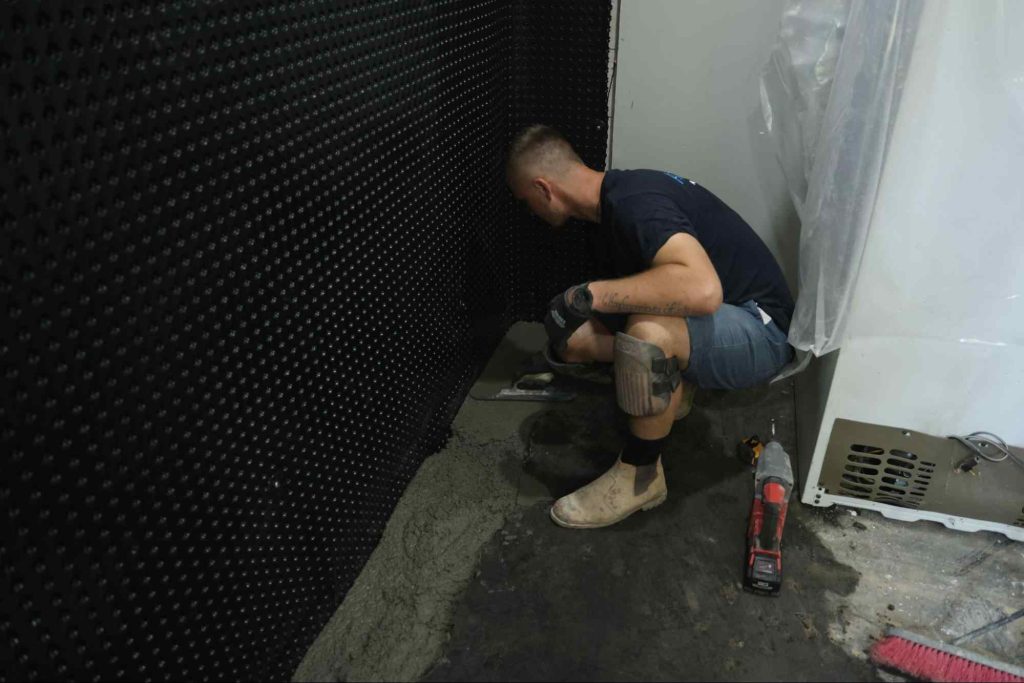
Water in the basement can quickly become a costly headache — from mold remediation to structural repairs. But having a clear budget plan helps you invest wisely and avoid financial surprises. Knowing what drives costs, how to estimate them, and where to save lets you protect your home’s foundation without breaking the bank.
Key Cost Factors in Basement Waterproofing
Several variables determine how much your waterproofing project will cost:
- Basement size and layout: Larger or deep basements require more materials and labor.
- Method selected: Interior drainage, exterior membranes, crack injection — each has different cost profiles.
- Foundation condition: Cracks, bowing walls, or prior damage increase the work needed.
- Site and soil conditions: Poor drainage, high water table, or difficult excavation raise costs.
- Labor, regional pricing, and permits: Local rates, permit requirements, and accessibility all impact your bottom line.
For reference, many homeowners pay $2,500 to $8,200 for a full basement waterproofing job.
Check out the Aquatech Waterproofing Cost Calculator for a realistic cost customized to your desired basement.
Cost Ranges & Benchmarks
Here are ballpark figures to help guide your expectations:
- Cost per square foot: $11.15 to $13.27 for basic work in favorable conditions.
- Full project averages: $1,500 to $7,000 for mid-scale jobs.
- National averages: Many projects fall around $5,200.
- Interior methods vs exterior: Interior systems tend to cost less ($3,000 average), while full exterior solutions are more expensive (often $7,000+).
These ranges vary widely depending on your specific conditions.

Budgeting Strategy: Step-By-Step
Here’s how to plan your waterproofing budget:
- Start with a professional inspection
Get a qualified evaluation to understand leaks, structural issues, and needed solutions. - Select the best method for your needs
Decide whether interior drainage, exterior membranes, crack sealing, or a hybrid approach is appropriate. - Break the project into stages (if needed)
You can phase waterproofing: seal cracks now, install drainage next season, then exterior work later. - Solicit multiple quotes
Compare at least 3 reputable contractors. Ensure quotes detail materials, labor, and warranty. - Include contingency funds
Add 10–20% for unforeseen issues like hidden damage or soil complications. - Review financing or payment plans
Many waterproofing companies offer structured payment or financing options to spread the cost. - Balance short-term fixes vs long-term solutions
Investing in a more durable method now may save you from costly repairs later.
Common Waterproofing Methods & Their Cost Drivers
Here’s how typical methods affect cost:
- Interior drainage + sump pump
Channeling water under the floor to a pump is effective and often less invasive.
Costs depend on trenching, pump quality, and labor. - Exterior excavation & membrane installation
Dig around the foundation, apply membranes, and backfill.
This is labor-intensive and can be the most costly component. - Crack injection and foundation repair
Injecting epoxy or polyurethane to seal cracks is a focused solution.
Useful for limited leaks; not always sufficient for heavy water issues. - Sealants and interior coatings
These control minor moisture but don’t handle heavy seepage.
Best used as supplemental protection, not a standalone solution. - Yard regrading and drainage improvements
Simple but effective. Redirecting surface water reduces pressure on your foundation.
Tips to Keep Costs Manageable
- Prioritize critical repairs (cracks, drainage) before cosmetic upgrades.
- Use high-quality materials that last — cheap coatings may fail early.
- Bundle tasks (e.g. slope, drainage, insulation) into a single contract to save on mobilization fees.
- Ask contractors about warranties, performance guarantees, and maintenance requirements.
- Monitor and maintain your system to avoid expensive future breakdowns.
Frequently Asked Questions (FAQ)
What’s a realistic budget per square foot?
Why do exterior systems cost more?
Can I phase waterproofing to spread costs?
Is waterproofing more expensive in Toronto?
How much contingency should I include?

Conclusion: Prevent Problems Before They Start
Budgeting for basement waterproofing starts with understanding the factors that drive cost, choosing methods that address your specific issues, and obtaining detailed, competitive quotes. A well-planned budget helps you protect your foundation without overspending or facing surprises.
When you’re ready to move forward — whether for a minor repair or a full waterproofing system — partner with experienced professionals in the Toronto and GTA area. Aquatech Waterproofing offers free inspections, durable solutions, and cost-transparent proposals to help you safeguard your home’s basement and foundation with confidence.
